Recovery After Critical Illness: What to Expect in the Weeks After the ICU
14 June 2026 · By CriticalCare.mu · Updated 17 June 2026

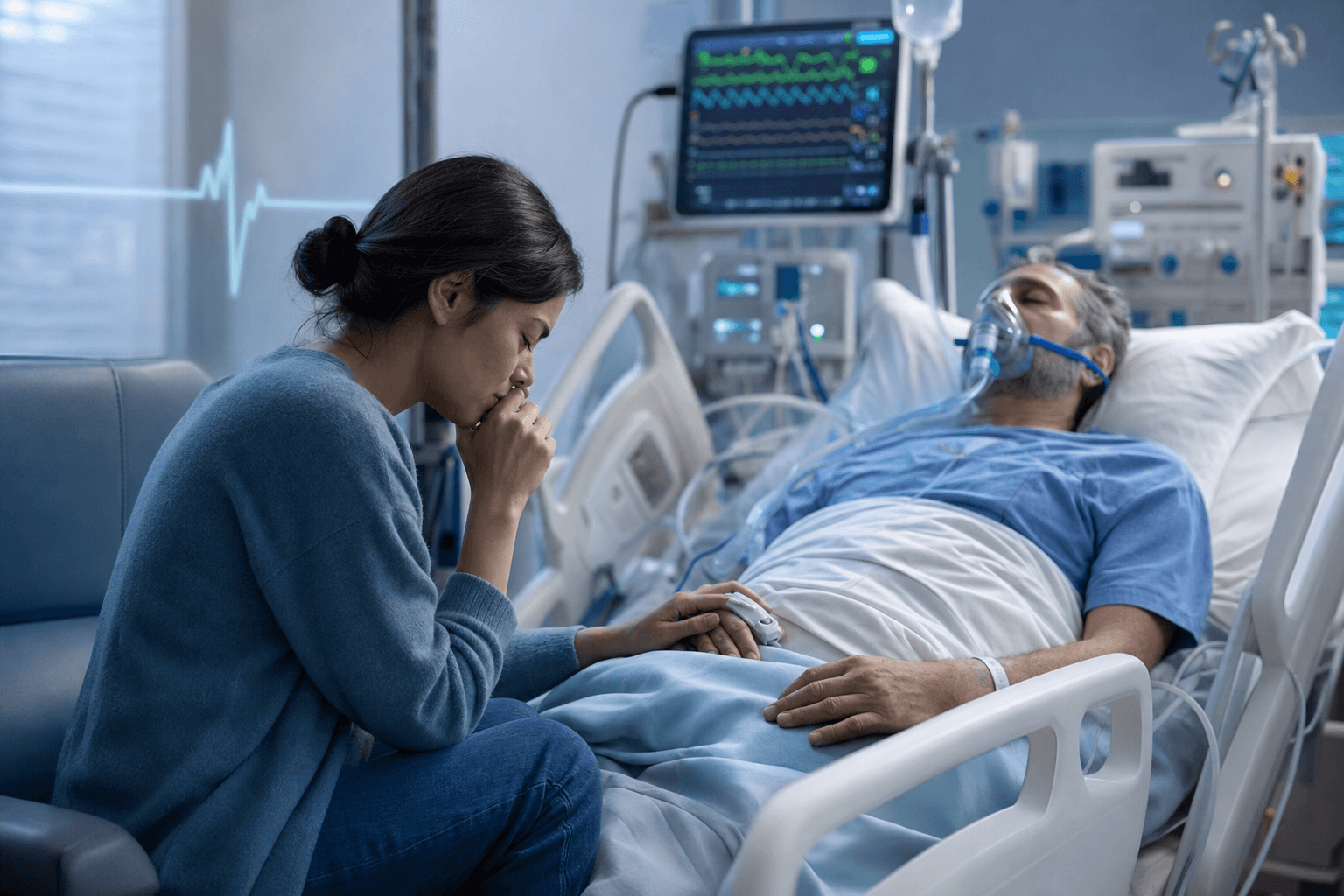
Leaving the intensive care unit (ICU) is an important and hopeful milestone. It means you or your loved one no longer needs the close, minute-by-minute support of critical care. At the same time, many families are surprised to learn that recovery does not end at the ICU door. The body and mind have been through a serious challenge, and healing continues over the following weeks and sometimes months. Knowing what is normal can make this stage far less worrying.
Why recovery takes time
Critical illness places enormous strain on the whole body. Muscles can weaken quickly during a stay in bed, even over just a few days. Organs that were under pressure, such as the lungs, kidneys or heart, need time to settle back into their usual rhythm. Strong medicines, interrupted sleep, and the stress of being seriously unwell all leave their mark. So if energy is low and small tasks feel exhausting at first, this is expected rather than a sign that something has gone wrong.
Common physical changes in the early weeks
In the first days and weeks after the ICU, many people notice some or all of the following:
- Weakness and tiredness. Muscles may feel thin or shaky. Walking, climbing stairs, or even sitting up can be tiring at first. Strength usually returns gradually with gentle, regular activity.
- Poor appetite and weight loss. It is common to have lost weight and to feel little interest in food. Small, frequent meals often work better than large ones.
- Breathlessness. The lungs may take time to recover, especially after a breathing machine or a chest infection. This often eases week by week.
- Changes in skin, hair and nails. Some people notice hair thinning or brittle nails for a while. This is usually temporary.
- Altered taste, a dry mouth, or a hoarse voice. These can follow the use of breathing tubes and tend to improve on their own.
Memory, mood and sleep
Recovery is not only physical. Many people find their thinking is slower than usual, with trouble concentrating or remembering things. This is sometimes called "brain fog," and it generally improves over time.
Strong emotions are also very common. You may feel low, anxious, tearful, or unusually irritable. Some people have vivid dreams, flashbacks, or confused memories of their time in the ICU. Sleep is often disturbed, with difficulty falling asleep or waking frequently. None of this means you are weak or ungrateful. These are well-recognised responses to a frightening experience, and talking about them openly, with family or a health professional, often helps.
Families should know that they too can feel exhausted, anxious or overwhelmed after a loved one's critical illness. Caring for yourself is part of caring for the patient.
Helping recovery along at home
A steady, patient approach works best. A few simple habits make a real difference:
- Build up activity slowly. Short, regular walks are better than pushing too hard and then needing days to recover.
- Rest when tired, but try not to spend the whole day in bed. Gentle movement helps the muscles and the mood.
- Eat nourishing food in small portions and drink enough fluids.
- Keep a simple routine for sleep, with calm evenings and regular wake-up times.
- Follow the plan for medicines and attend all follow-up appointments.
- Accept help with cooking, cleaning and transport so your energy goes into healing.
If physiotherapy or other rehabilitation has been recommended, try to keep to the exercises given. Writing down questions before clinic visits can help you remember what to ask.
When to seek professional care
Most setbacks are minor, but some symptoms need prompt attention. Contact your doctor or clinic if you notice:
- A returning fever, chills, or a new cough or coloured phlegm.
- Increasing breathlessness, chest pain, or a fast or irregular heartbeat.
- A wound that becomes red, swollen, hot, or starts to leak.
- Persistent vomiting, an inability to keep fluids down, or signs of dehydration.
- New confusion, fainting, or severe weakness on one side of the body.
- Low mood or anxiety that is not lifting, or any thoughts of harming yourself.
Seek emergency care straight away for severe breathlessness, chest pain, heavy bleeding, a seizure, or sudden collapse. In Mauritius you can call the emergency services on 114 (SAMU) or go to the nearest hospital. It is always better to ask than to wait and worry.
This article is general education and is not a substitute for personalised advice from your own doctor or care team.
A calm word to finish
Recovery after critical illness is rarely a straight line. There will be good days and slower days, and progress is often easier to see week by week than day by day. Be patient and kind with yourself or your loved one, celebrate small gains, and lean on family, friends and your care team for support. With time, rest and steady effort, most people continue to improve and gradually return to the things that matter to them.
Critical care is a vital part of modern medicine. Explore the wider Medtech health ecosystem.