Common Conditions Treated in Critical Care, Explained
15 June 2026 · By CriticalCare.mu · Updated 17 June 2026
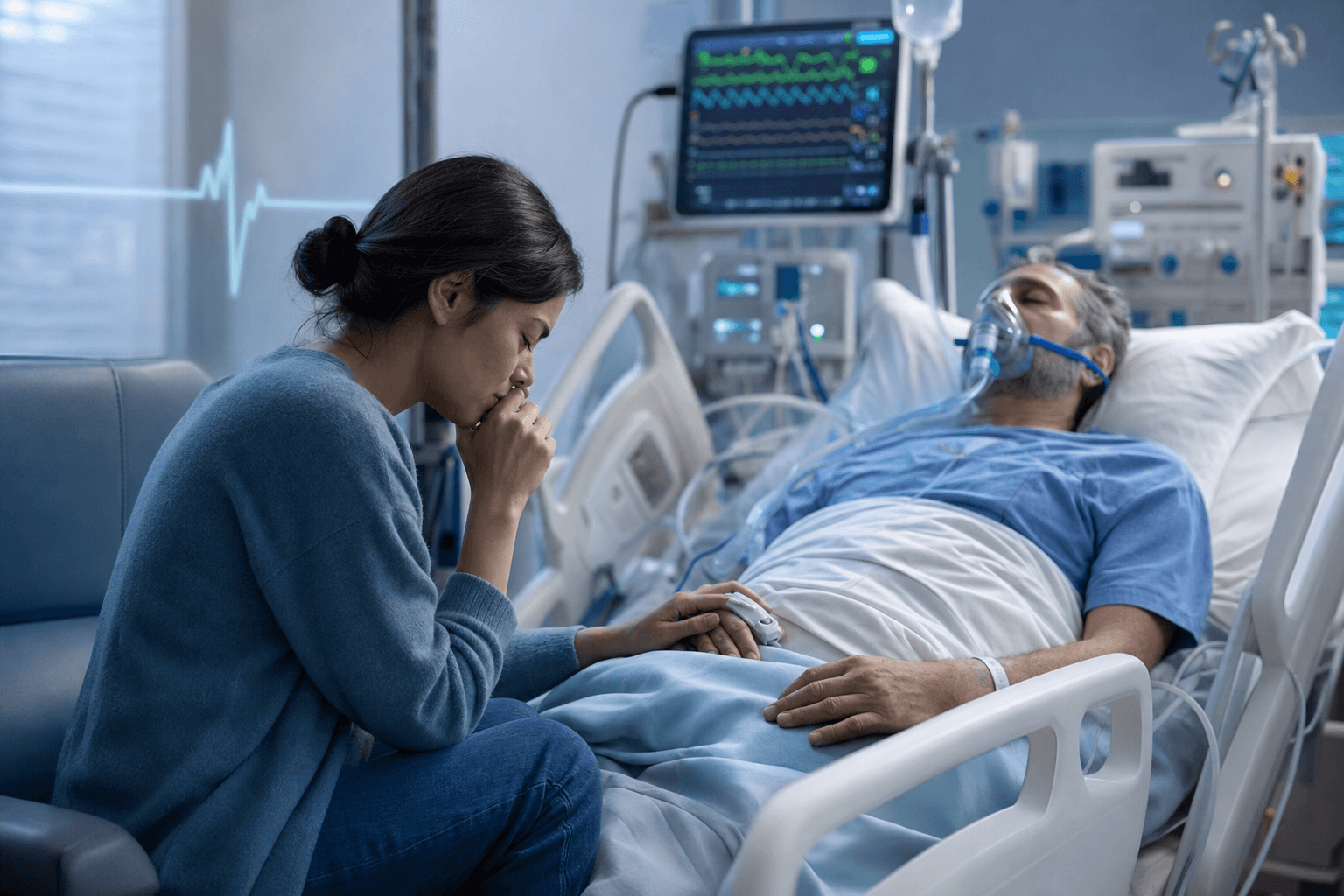
Being told that you or someone you love needs critical care can feel frightening. The intensive care unit (ICU), sometimes called the high dependency unit or HDU, is simply the part of a hospital with the most equipment and the most nursing attention. It exists to support the body closely while doctors treat the underlying problem. Understanding the common conditions that bring people here can make the experience feel less overwhelming.
Severe infections and sepsis
Infection is one of the most frequent reasons people are admitted to critical care. When an infection is serious, the body can react with a condition called sepsis, where the immune response begins to affect the whole body rather than just the infected area. This can lower blood pressure, strain the organs, and make a person very unwell quickly.
In the ICU, the team gives antibiotics or other targeted medicines, along with fluids and support to keep blood pressure steady. Catching sepsis early matters a great deal. Warning signs to take seriously include a high or very low temperature, fast breathing, confusion or unusual drowsiness, a racing heart, and skin that looks mottled or unusually pale. If someone with an infection suddenly seems much worse, seek medical help without delay.
Breathing and lung problems
The lungs are a common focus in critical care. Severe pneumonia, asthma attacks, flare-ups of chronic lung disease, and other lung injuries can make it hard for the body to take in enough oxygen. When breathing becomes too difficult, the team may provide extra oxygen, a tight-fitting mask that supports each breath, or in more serious cases a breathing machine called a ventilator.
A ventilator can sound alarming, but it is a supportive tool. It does the work of breathing while the lungs recover, and most people are gently sedated so they are comfortable. Signs that breathing needs urgent attention include gasping, lips or fingertips turning blue or grey, being too breathless to speak in full sentences, and sudden confusion.
Heart conditions
The heart is another organ the ICU watches closely. People may be admitted after a heart attack, with an abnormal heart rhythm, or with heart failure, where the heart struggles to pump enough blood. Continuous monitors track the heartbeat and blood pressure so the team can respond to changes within seconds.
Treatments range from medicines that steady the rhythm or support the heart, to procedures that restore blood flow. Chest pain that is heavy or crushing, pain spreading to the arm, jaw, or back, sudden severe breathlessness, or fainting are all reasons to call for emergency help straight away. With heart problems, minutes can make a real difference.
Stroke and brain-related emergencies
Some patients come to critical care after a stroke, a serious head injury, a seizure that will not stop, or swelling and pressure inside the brain. The team monitors consciousness, movement, and vital signs very carefully, because the brain is sensitive to changes in oxygen and blood flow.
For stroke in particular, fast treatment can protect brain tissue. A helpful way to remember the warning signs is FAST: Face drooping on one side, Arm weakness, Speech that is slurred or muddled, and Time to call for emergency help immediately. Do not wait to see if symptoms pass.
After major surgery or serious injury
Not everyone in the ICU is critically ill in a sudden, dramatic way. Many people are admitted after planned major surgery or after an accident, simply so the team can watch them closely during the first hours or days of recovery. This is a precaution, not a sign that something has gone wrong. Close monitoring allows any problem to be caught and managed early.
Organ support, such as the kidneys
When organs are under strain, the ICU can support them temporarily while they heal. The kidneys are a common example. If they are not clearing waste and fluid properly, a machine can do that work for a while, similar to dialysis. Other support might include medicines to steady blood pressure or careful management of fluids and nutrition. In most cases this support is temporary, giving the body time to recover its own function.
What this means for families
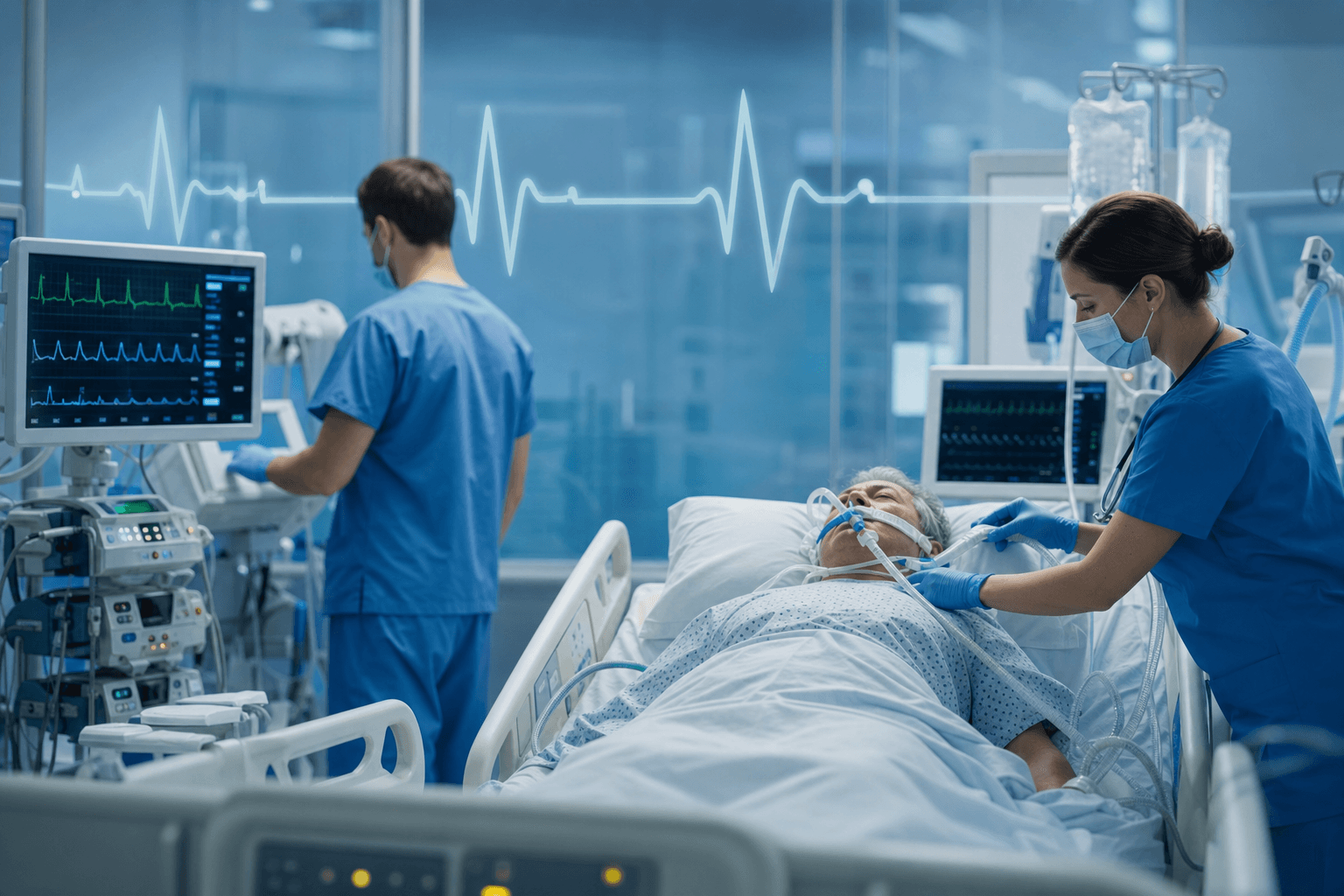
Critical care can look busy and full of machines, but each piece of equipment has a clear purpose, and a nurse is usually nearby at all times. You are encouraged to ask the team questions, in simple terms, as often as you need. Knowing the plan for the day often brings real reassurance.
This article is general education and is not a substitute for personalised medical advice from the doctors and nurses caring for you or your relative.
A calm takeaway
The conditions treated in critical care are serious, but the unit is built around one goal: giving the body the support and time it needs to recover. If you notice sudden warning signs such as severe breathlessness, chest pain, confusion, signs of stroke, or a rapid worsening in someone who is unwell, seek emergency help quickly. Otherwise, lean on the team, ask your questions, and remember that close monitoring is a sign of careful attention, not just cause for alarm.
Critical care is a vital part of modern medicine. Explore the wider Medtech health ecosystem.